

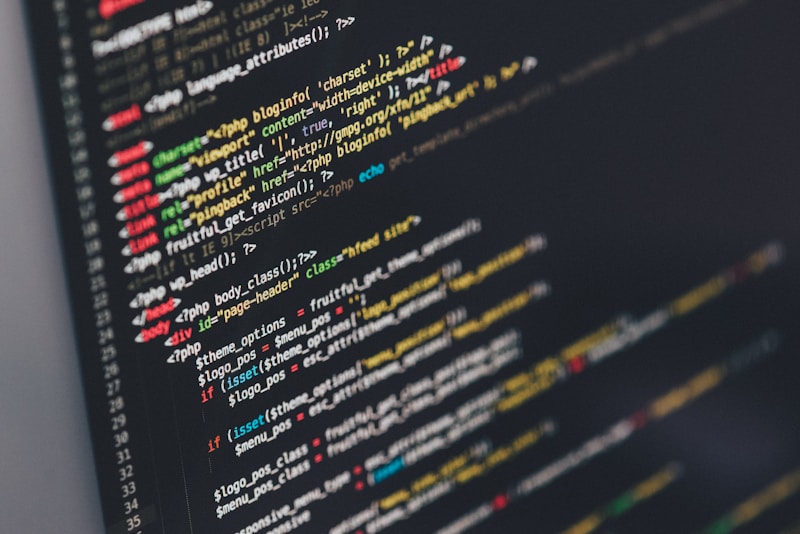
AI-powered code generation has fundamentally transformed software development in 2026, with tools like GitHub Copilot, Amazon CodeWhisperer, and Google’s Gemini Code Assist now generating an estimated 40% of all new code written at major technology companies. Rather than replacing developers, these AI assistants have redefined the development workflow, shifting programmer focus from writing boilerplate code to architecting systems, reviewing AI-generated suggestions, and solving the creative and strategic challenges that remain beyond current AI capabilities.
The Current State of AI Coding Tools
GitHub Copilot X, now in its third major iteration, serves over 15 million active developers and generates code suggestions accepted at a rate of 46% across all programming languages. The tool has evolved from single-line completions to generating entire functions, classes, and test suites from natural language descriptions. Amazon CodeWhisperer specializes in cloud infrastructure code, automatically generating AWS service configurations, IAM policies, and CloudFormation templates that follow security best practices. Google’s Gemini Code Assist, integrated deeply into Android Studio and Google Cloud, excels at mobile development and distributed systems programming. Each tool processes billions of lines of code daily, learning from acceptance and rejection patterns to continuously improve suggestion quality.
How Developer Workflows Have Changed
The most productive developers in 2026 describe their relationship with AI coding tools as conversational programming. Rather than writing code line by line, they describe intent in natural language, review and refine AI-generated implementations, and iterate through dialogue with the AI to reach optimal solutions. Code review has become the primary skill, with senior developers spending 60% of their time evaluating AI-generated code for correctness, security vulnerabilities, performance characteristics, and architectural consistency. Test-driven development has seen a renaissance, as writing test specifications that guide AI code generation proves more efficient than writing implementation code directly.
Impact on Developer Productivity
Studies from GitHub, Google, and Microsoft consistently show 30-55% productivity improvements for developers using AI coding tools, measured in features delivered per sprint and time to resolve bugs. Junior developers benefit most dramatically, with AI tools effectively serving as always-available mentors that explain codebases, suggest idiomatic patterns, and catch common mistakes. However, concerns about skill atrophy are emerging, with computer science educators reporting that students relying heavily on AI code generation develop weaker debugging abilities and less deep understanding of fundamental algorithms and data structures compared to pre-AI cohorts.
Security and Quality Concerns
The widespread adoption of AI-generated code has introduced new categories of software vulnerabilities. Studies from Stanford and Carnegie Mellon found that AI-generated code contains security vulnerabilities at rates 40% higher than human-written code, primarily because training data includes both secure and insecure coding patterns that the AI reproduces without discrimination. The emerging best practice is to combine AI code generation with AI-powered security scanning, creating a dual-AI workflow where one system generates code and another evaluates it for vulnerabilities, effectively using AI to check AI. Organizations including Microsoft, Google, and Stripe have implemented mandatory automated security review for all AI-generated code before it can be merged into production codebases.
Create Your Own QR Code for Free — Need a custom QR code for your project, business, or personal use? Try our free QR code generator to create high-quality QR codes instantly in PNG, SVG, and more formats.