

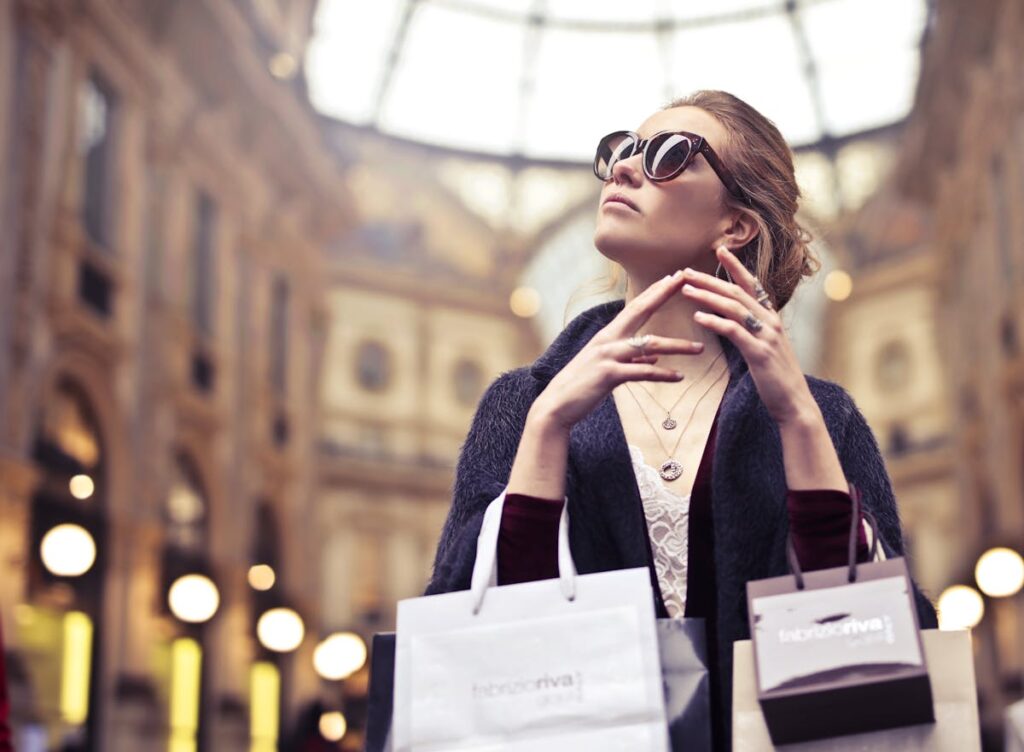
The fashion industry—worth $1.7 trillion globally—is undergoing its most significant technological transformation since the invention of the sewing machine. AI is impacting every stage of the fashion pipeline: trend forecasting, design conceptualization, pattern making, virtual prototyping, and marketing. McKinsey’s State of Fashion report identifies AI as the top technology investment priority for fashion brands in 2026.
AI in Fashion Design Process
Trend Forecasting
Traditional trend forecasting relies on attending fashion weeks, analyzing street style, and intuition built over decades. AI trend forecasting tools analyze millions of social media images, search queries, runway shows, and retail data to predict trends 6–18 months in advance. Heuritech uses computer vision to detect emerging trends from Instagram and street style photos. WGSN combines AI analysis with human expert curation for the industry’s most trusted forecasts.
Design Conceptualization
AI image generators produce fashion concepts at unprecedented speed. Designers use Midjourney, DALL-E, and Stable Diffusion to explore silhouettes, color combinations, fabric textures, and styling options before committing to physical samples. Effective prompts: “high fashion editorial, flowing silk gown, emerald green, draped construction, on runway, editorial photography, Vogue style.”
Technical Design with AI
CLO 3D and Browzwear use AI to simulate how fabrics drape, stretch, and move on virtual body models. Designers can test fit across different body types, visualize fabric behavior (how silk flows differently from denim), and identify construction issues before cutting a single piece of fabric. This reduces sample rounds by 50–80%, saving thousands of dollars per style.
AI Tools for Fashion Designers
CALA
An AI-powered fashion design and production platform that takes concepts from sketch to manufactured product. Upload a design concept, specify materials and construction, and CALA connects you with manufacturing partners. Used by independent designers and emerging brands. Visit CALA
Designovel
AI fashion design platform that generates original designs based on trend data, consumer preferences, and brand aesthetics. It can produce hundreds of design variations that align with predicted market demand. Used by brands to reduce design-to-market cycles.
Vue.ai
AI platform for fashion retail that generates on-model imagery, automatic product tagging, and personalized styling recommendations. Their virtual try-on technology lets customers see clothing on their own body shape. Visit Vue.ai
Sustainable Fashion Through AI
The fashion industry produces 10% of global carbon emissions. AI addresses this through: demand forecasting (producing only what will sell reduces waste by 30–50%), material optimization (AI-optimized cutting patterns reduce fabric waste from 15% to under 5%), virtual sampling (eliminating physical samples saves materials and shipping emissions), and circular fashion (AI identifies resale opportunities and recycling methods for used garments). Ellen MacArthur Foundation details the circular fashion economy.
Fashion Illustration with AI
Fashion illustration styles range from quick gestural croquis (elongated figure sketches) to detailed technical flats. AI generates both: Croquis: “fashion illustration croquis, elongated proportions, 10-head figure, minimal lines, dynamic pose, clean white background.” Technical flats: “technical fashion flat drawing, front and back view, button-down shirt, detailed stitching, fashion industry standard.” Editorial illustrations: “high fashion editorial illustration, watercolor and ink, elegant, Rene Gruau style, dramatic pose.”
Starting a Fashion Brand with AI
Step 1 — Market research: Use AI trend analysis tools and Google Trends to identify underserved niches. Step 2 — Design collection: Generate concepts with AI, refine in CLO 3D, create tech packs. Step 3 — Sourcing: Platforms like Sewport connect designers with manufacturers. Step 4 — Branding: AI-generated lookbooks, logo design, and social media content. Step 5 — Launch: Shopify store with AI-generated product photography and descriptions.
FAQ
Can AI replace fashion designers?
AI excels at generating options and optimizing production, but fashion design is fundamentally about cultural commentary, emotional resonance, and brand storytelling. AI is a powerful tool for designers, not a replacement. The most innovative fashion will continue to come from human creative vision augmented by AI capabilities.
How do luxury brands use AI differently from fast fashion?
Luxury brands use AI for trend intelligence, virtual showrooms, and personalized client experiences while maintaining handcrafted production. Fast fashion brands use AI more aggressively for design automation, rapid trend replication, and production optimization. The ethical implications of AI-accelerated fast fashion remain debated.
Is AI-designed clothing patentable?
Fashion design has limited IP protection in most jurisdictions. In the US, clothing designs generally cannot be patented or copyrighted (though fabric prints, logos, and unique functional elements may qualify). AI involvement adds further complexity to an already limited protection framework.
Create Your Own QR Code for Free — Need a custom QR code for your project, business, or personal use? Try our free QR code generator to create high-quality QR codes instantly in PNG, SVG, and more formats.