

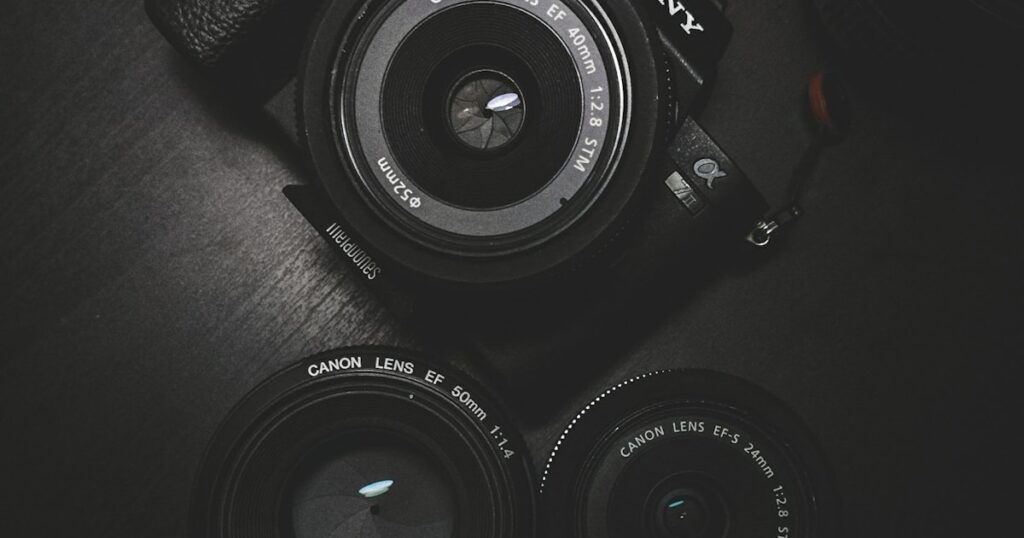
The camera in your pocket has become more about software than hardware. In 2026, computational photography powered by AI is producing images that rival or exceed what was possible with expensive professional equipment just a few years ago, fundamentally changing the art and business of photography.
Software Eats the Lens
Traditional photography relied on optical engineering to capture light. Modern computational photography uses AI to enhance, reconstruct, and even generate image data beyond what the physical sensor captures. Night mode, portrait blur, HDR processing, and noise reduction are all AI-driven features that transform raw sensor data into stunning images that would be impossible with optics alone.
Generative Fill and Object Removal
AI can now seamlessly add or remove elements from photographs. Unwanted objects disappear with a tap, replaced by AI-generated content that matches the surrounding scene perfectly. Conversely, missing elements can be added, a cloudy sky replaced with sunshine, or an empty street populated with realistic pedestrians. These capabilities blur the line between photography and digital art.
Real-Time Style Transfer
AI style transfer allows photographers to apply artistic styles to their images in real time. View the world through the lens of impressionism, apply the color grading of your favorite film, or create entirely new aesthetic styles. These tools are accessible to anyone with a smartphone, democratizing creative expression in photography.
Professional Workflows Transform
Professional photographers are integrating AI into every stage of their workflow. AI handles culling, selecting the best shots from thousands. Automatic color correction and exposure adjustment speed up post-processing. Smart cropping suggests optimal compositions. And AI-powered delivery platforms organize and distribute final images to clients efficiently.
Video Photography Converges
The distinction between photography and videography is disappearing. Modern devices capture continuous video streams from which AI extracts the perfect still moment, ensuring you never miss a shot. Alternatively, AI can animate still photographs, adding subtle motion that brings images to life for social media and digital displays.
Authenticity Challenges
As AI makes it easy to alter or generate photographic content, questions of authenticity become pressing. Photojournalism, legal evidence, and scientific imaging all depend on photographs faithfully representing reality. The industry is developing standards for image provenance tracking and AI manipulation detection to maintain trust in photographic media.
Create Your Own QR Code for Free — Need a custom QR code for your project, business, or personal use? Try our free QR code generator to create high-quality QR codes instantly in PNG, SVG, and more formats.