

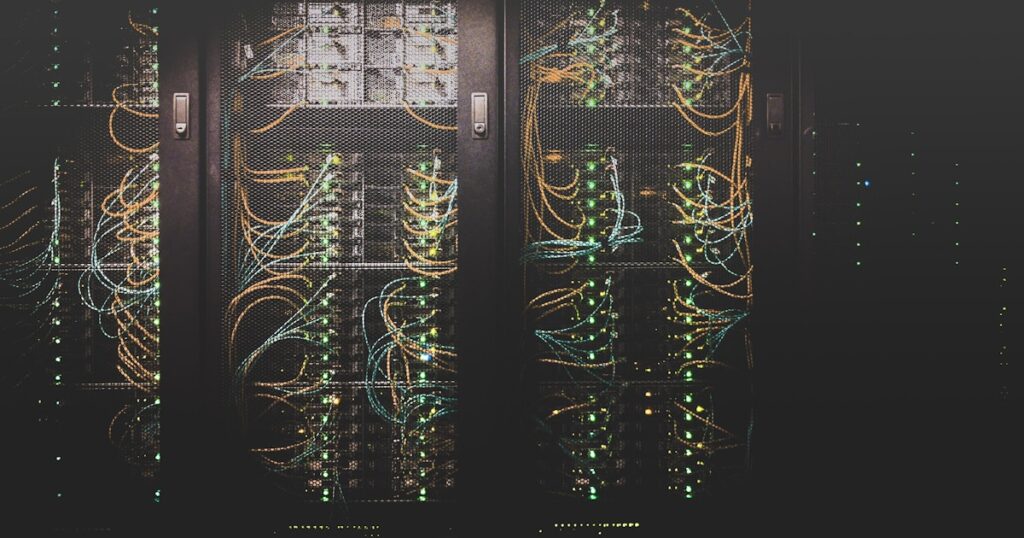
Edge computing, processing data near its source rather than in distant cloud data centers, has become essential infrastructure in 2026. Combined with AI, edge computing enables real-time intelligent processing that transforms industries from manufacturing to healthcare to autonomous transportation.
Why Edge Matters
Some applications cannot tolerate the latency of sending data to the cloud for processing. An autonomous vehicle needs to make split-second decisions. A manufacturing robot must detect and respond to defects instantly. A medical monitoring device must alert to critical changes immediately. Edge computing places processing power where it is needed, enabling AI applications that require real-time responsiveness.
AI at the Edge
Running AI models on edge devices presents unique challenges. Edge hardware has limited processing power, memory, and energy compared to cloud servers. This has driven innovation in model compression, quantization, and efficient architectures that deliver impressive AI performance within tight resource constraints. Purpose-built edge AI chips are making these capabilities affordable and accessible.
Industrial Applications
Manufacturing is one of the largest beneficiaries of edge AI. Computer vision systems inspect products at production speed, detecting defects too small for the human eye. Predictive maintenance sensors analyze vibration, temperature, and acoustic data to predict equipment failures before they occur. These applications require local processing for real-time response and data privacy.
Retail Intelligence
Retail stores are deploying edge AI for inventory management, customer behavior analysis, and checkout automation. Smart shelves detect low stock and trigger replenishment orders. In-store cameras analyze traffic patterns to optimize product placement. And automated checkout systems process transactions without the need for traditional point-of-sale hardware.
Privacy Benefits
Edge computing offers significant privacy advantages by processing sensitive data locally rather than transmitting it to the cloud. Medical data, security camera footage, and personal biometric information can be analyzed on-device, with only anonymized insights sent to central systems. This approach helps organizations comply with data protection regulations while still benefiting from AI analytics.
The Cloud-Edge Partnership
Edge and cloud computing are not competitors but complementary technologies. Edge handles time-sensitive, privacy-sensitive, and bandwidth-intensive processing, while the cloud provides training for AI models, long-term storage, and computational tasks that do not require real-time response. The most effective architectures intelligently distribute workloads between edge and cloud based on the specific requirements of each task.
Create Your Own QR Code for Free — Need a custom QR code for your project, business, or personal use? Try our free QR code generator to create high-quality QR codes instantly in PNG, SVG, and more formats.