

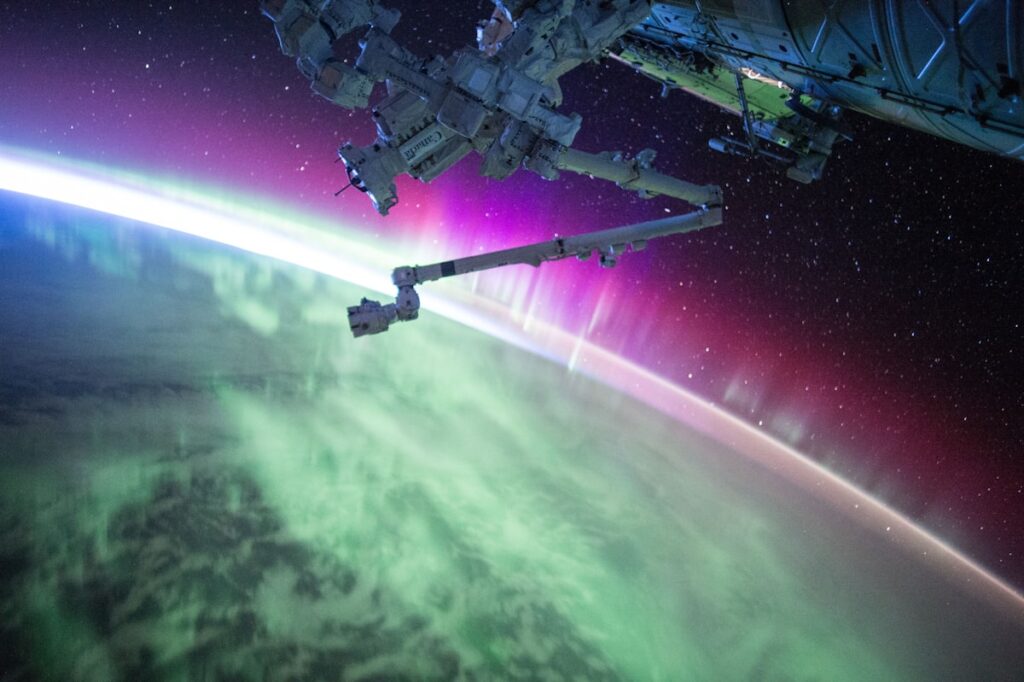
Icarus Robotics Develops Free-Flying Robot to Automate Repetitive Tasks on the ISS
Icarus Robotics has unveiled a free-flying robotic assistant designed to autonomously perform repetitive maintenance and monitoring tasks aboard the International Space Station, freeing astronauts to focus on scientific research and complex operations. The compact, sphere-shaped robot uses a combination of cold-gas thrusters and reaction wheels to navigate the zero-gravity environment of the station’s interior, equipped with cameras, sensors, and a robotic arm capable of manipulating small objects and operating equipment controls.
Design and Capabilities
The Icarus robot measures approximately 30 centimeters in diameter and weighs 5 kilograms, small enough to navigate through the station’s modules and hatches without impeding crew movement. The robot’s navigation system uses a combination of visual SLAM (Simultaneous Localization and Mapping) and pre-loaded station maps to autonomously traverse the complex interior environment. Its sensor suite includes high-resolution cameras for visual inspection, infrared sensors for detecting thermal anomalies, and a microphone array for identifying unusual sounds that might indicate equipment malfunctions.
Targeted Applications on the ISS
Icarus Robotics has identified several high-value applications where autonomous operation could save astronauts significant time. These include routine environmental monitoring such as air quality sampling and noise level measurement, visual inspection of equipment and structural components for signs of wear or damage, inventory management including tracking the location and condition of supplies and spare parts, and video documentation of experiments and station conditions. NASA estimates that astronauts currently spend approximately 30% of their time on these types of routine tasks, time that could be redirected to scientific work if automated effectively.
AI and Autonomy Systems
The robot’s onboard AI system is capable of independent decision-making within defined operational parameters. It can plan efficient routes through the station to complete assigned tasks, prioritize activities based on urgency and crew schedules, and identify anomalies that warrant human attention. The AI was trained using thousands of hours of ISS operational data and can recognize normal versus abnormal conditions for the majority of the station’s systems. When the robot detects a potential issue, it generates a detailed report with visual documentation and recommended actions, which is sent to both the crew and ground control for review.
Path to Deployment
Icarus plans to deliver its first robot to the ISS via a SpaceX cargo mission in early 2027, following extensive testing in parabolic flight and ground-based simulations. The initial deployment will focus on a limited set of monitoring tasks, with capabilities gradually expanded based on operational experience. If successful, the technology could be adapted for use on future space stations, lunar habitats, and eventually Mars missions, where the communication delay makes autonomous systems even more essential. NASA has funded the project through its Small Business Innovation Research program and is evaluating the technology for potential inclusion in its commercial LEO destination programs.
Create Your Own QR Code for Free — Need a custom QR code for your project, business, or personal use? Try our free QR code generator to create high-quality QR codes instantly in PNG, SVG, and more formats.