

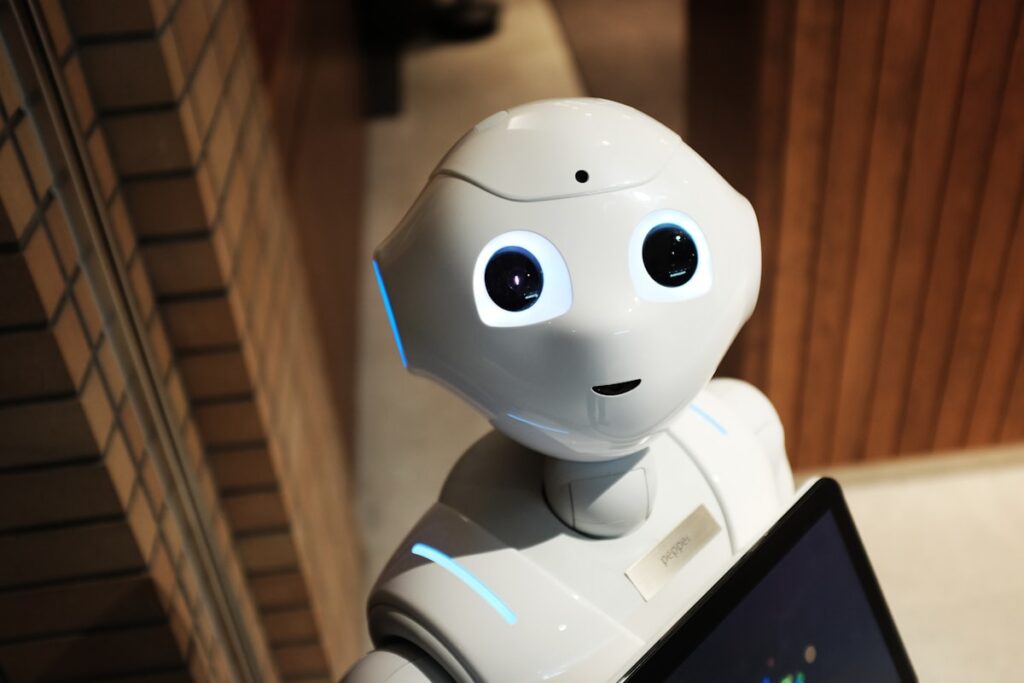
South Korea Deploys Thousands of ChatGPT-Powered Care Robots for Elderly Citizens
The South Korean government has launched an ambitious nationwide program to deploy thousands of AI-powered social care robots equipped with ChatGPT conversational capabilities to assist elderly citizens living alone. The initiative aims to combat the growing crisis of elderly isolation in one of the world’s most rapidly aging societies while reducing the burden on an overstretched human caregiving workforce.
The Scale of the Elderly Care Crisis
South Korea faces one of the most severe demographic challenges of any developed nation. The elderly population now represents over 20% of the total, projected to reach 40% by 2050. More than 2.5 million elderly South Koreans live alone, and studies show social isolation contributes to significantly higher rates of depression, cognitive decline, and preventable health emergencies. The existing network of human social workers has proven insufficient to provide regular check-ins for this growing population.
How the Care Robots Work
The robots are equipped with advanced natural language processing capabilities that allow them to engage in meaningful, contextually aware conversations in Korean. Each robot performs daily welfare check-ins, reminds patients to take medications, guides them through light exercise routines, and provides emotional companionship through conversation. The robots can also detect signs of distress including unusual speech patterns or prolonged silence, automatically alerting human caregivers or emergency services when intervention is needed.
Pilot Program Results
A six-month pilot involving 500 robots in Seoul and Busan produced encouraging results. Elderly participants reported a 40% reduction in loneliness and a 25% improvement in medication adherence. Emergency response times improved by 35% in cases where robots detected health emergencies. Based on these results, the government has committed $800 million to expand the program nationwide, targeting 50,000 care robots across all provinces by end of 2027.
Ethical Considerations
The program has sparked important discussions about AI in caregiving. Mental health professionals have cautioned that while robots can supplement human care, they should not replace genuine human connection entirely. The Korean government has mandated that every robot-assisted household continue to receive regular visits from human social workers, and that robots be programmed to encourage users to maintain social connections with family and community members.
Create Your Own QR Code for Free — Need a custom QR code for your project, business, or personal use? Try our free QR code generator to create high-quality QR codes instantly in PNG, SVG, and more formats.