

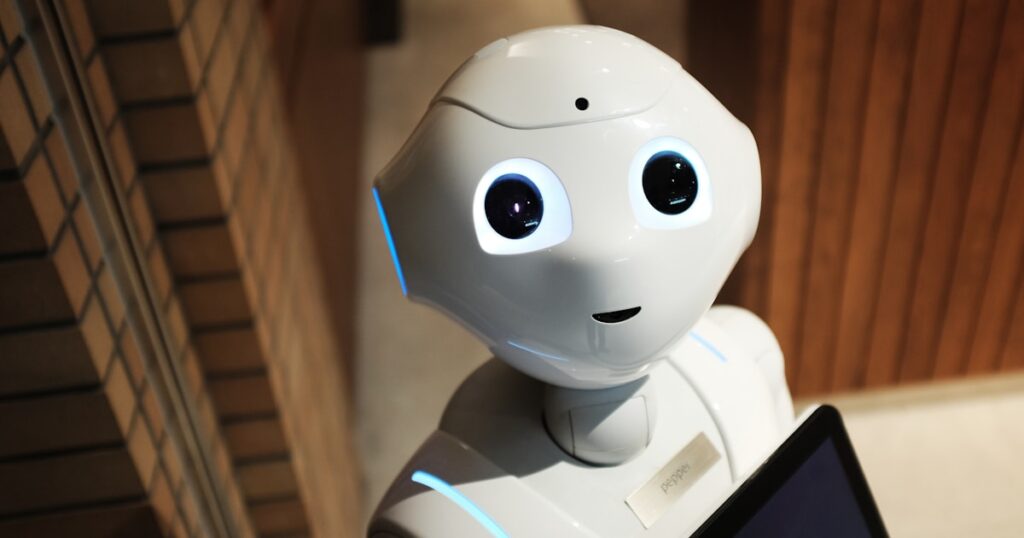
As we look beyond 2026, the trajectory of artificial intelligence points toward changes that will be even more profound than what we have experienced so far. Here are ten informed predictions about where AI is heading in the next five years.
AI Agents Become Truly Autonomous
By 2031, AI agents will handle complex, multi-step tasks with minimal human oversight. From planning a vacation to managing a small business inventory to coordinating a home renovation, AI agents will execute extended workflows independently, checking in with humans only for critical decisions or unexpected situations.
Personalized AI Companions
Personal AI assistants will evolve from tools into genuine intellectual companions that know your preferences, understand your goals, and proactively help you navigate life and work. These systems will maintain long-term memory of your interactions, learn your communication style, and provide increasingly relevant and personalized support.
Scientific Breakthroughs Accelerate
AI will be credited with major scientific discoveries in medicine, materials science, and physics. The ability to process vast datasets, simulate complex systems, and identify patterns invisible to human researchers will compress decades of scientific progress into years. New drugs, materials, and energy technologies discovered by AI will begin reaching the market.
Creative AI Matures
AI-generated art, music, literature, and film will achieve levels of quality and emotional depth that rival human creation in specific contexts. Rather than replacing human creativity, this will inspire new forms of collaborative art and expand the definition of what creative expression can be.
Education is Reimagined
AI will enable truly personalized education at scale, with every student having access to a world-class tutor adapted to their learning style. Traditional classroom models will evolve toward hybrid approaches that combine human mentorship with AI-powered individual instruction.
Healthcare Transformation
AI will shift healthcare from reactive treatment to proactive prevention. Continuous monitoring, predictive diagnostics, and personalized treatment protocols will catch diseases earlier, treat them more effectively, and ultimately extend healthy lifespans. AI-discovered drugs will begin treating previously incurable conditions.
Energy and Climate
AI will play a crucial role in addressing climate change through optimized energy grids, accelerated development of clean energy technologies, more accurate climate modeling, and efficient resource management. Smart systems will reduce waste across industries and enable the transition to sustainable energy sources.
Regulation Matures
International AI governance frameworks will emerge, providing clearer rules of the road for AI development and deployment. While implementation will vary by region, broad consensus on safety standards, transparency requirements, and accountability mechanisms will create a more stable environment for AI innovation.
Human-AI Collaboration Deepens
The most successful organizations will be those that master the art of human-AI collaboration. Rather than viewing AI as a replacement for human workers, leading companies will develop workflows that combine human creativity, judgment, and emotional intelligence with AI speed, precision, and scalability.
New Challenges Emerge
With great capability comes great responsibility. Issues around AI-generated misinformation, economic displacement, digital inequality, and the concentration of AI power among a few organizations will require thoughtful solutions. The choices we make in the coming years about how to develop and govern AI will shape society for generations to come.
Create Your Own QR Code for Free — Need a custom QR code for your project, business, or personal use? Try our free QR code generator to create high-quality QR codes instantly in PNG, SVG, and more formats.