

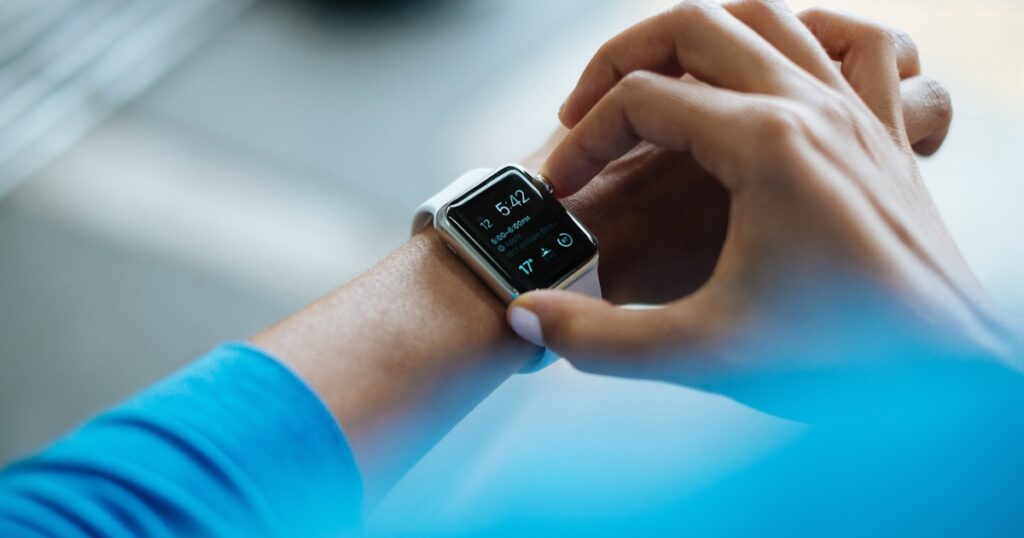
Wearable technology has evolved far beyond simple fitness trackers. In 2026, AI-powered wearables are sophisticated personal assistants that learn your habits, monitor your health, and proactively help you navigate daily life with greater efficiency and awareness.
Health Monitoring Gets Serious
Modern wearables can now track blood oxygen levels, heart rhythm irregularities, blood pressure trends, stress hormones, and even early signs of respiratory infections. AI algorithms analyze this continuous stream of biometric data to detect anomalies that might indicate health problems before symptoms appear. Several wearable-detected health alerts have been credited with saving lives by catching conditions like atrial fibrillation and sleep apnea early.
The AI Coach on Your Wrist
Fitness coaching has been transformed by AI-powered wearables that create truly personalized exercise programs. These devices analyze your performance data, recovery patterns, sleep quality, and goals to generate workouts that adapt in real time. If you slept poorly, the AI adjusts your training intensity. If you are progressing faster than expected, it increases the challenge. The result is more effective training with lower injury risk.
Smart Glasses Go Mainstream
AI-powered smart glasses have crossed the threshold from gadget to genuinely useful tool. Lightweight frames with built-in cameras, speakers, and displays provide real-time translation of foreign languages, navigation directions overlaid on your field of view, instant identification of objects and places, and hands-free access to information. For professionals in fields like healthcare, maintenance, and logistics, smart glasses are becoming essential work tools.
Hearing Enhancement
AI-powered earbuds now do far more than play music. They can selectively amplify specific sounds in noisy environments, provide real-time translation of conversations in foreign languages, offer personalized sound profiles that adapt to your hearing characteristics, and even monitor your cognitive load to suggest when you need a break. These capabilities are blurring the line between consumer earbuds and hearing aids.
Privacy by Design
As wearables collect increasingly sensitive personal data, privacy has become a critical design consideration. Leading manufacturers are implementing on-device processing to keep biometric data off the cloud, end-to-end encryption for data that must be transmitted, and transparent data policies that give users clear control over their information. Regulatory pressure is also driving higher privacy standards across the industry.
The Integration Challenge
The biggest opportunity and challenge for wearable AI is integration. Users often wear multiple devices that generate separate data streams. The most successful platforms are those that unify data from smartwatches, rings, glasses, earbuds, and smartphones into a coherent picture, enabling AI to draw insights that no single device could provide alone.
Create Your Own QR Code for Free — Need a custom QR code for your project, business, or personal use? Try our free QR code generator to create high-quality QR codes instantly in PNG, SVG, and more formats.